

The Institute of Leadership and Development (INSLA) is implementing a project themed/ titled Strengthening Capacity on the Implementation and Enforcement of the Excise Duty Amendment Act 2023/SSB Tax in Ghana, also known as the Sugar-Sweetened Beverages (SSB) Tax Project. The project aims to reduce the impact of Sugar-Sweetened Beverage (SSB) consumption so that it is no longer a matter of public health concern and to support the effective enforcement of the Excise Duty (Amendment) Act 1108 of 2023. This law introduces a 20% excise tax on SSBs sold in Ghana, aiming to reduce unhealthy beverage intake, promote healthier lifestyles, and enhance health financing for the treatment of noncommunicable diseases (NCDs).
Since its inception in April 20225, the project has worked to bridge gaps between policy and practice, focusing on stakeholder engagement and collaboration, strengthening enforcement mechanisms and awareness creation.
Some Activities Implemented include:
Stakeholder Engagements: INSLA has held strategic meetings with the Ghana Revenue Authority (GRA) Excise Duty Unit, Food and Drugs Authority (FDA), National Health Insurance Authority (NHIA), Ghana Police Service and the World Health Organization to discuss project into details and seek their support in the implementation of the Project. All the above mentioned stakeholders agreed to support and partner with the Project team in enforcing the SSB Tax Project and applauded INSLA for coming on board to support the enforcement of the SSB Tax. INSLA has secured strong institutional support from key regulatory and enforcement agencies.
Public Education & Sensitization: Through press releases and social media campaigns, INSLA has raised public awareness on the health risks of excessive consumption of sugary drinks and the importance of the SSB tax in reducing the burden of NCDs. Through press releases, INSLA spoke about how the effective implementation of this tax, would lead to a substantial increase in revenue generation which can be pushed into funding healthcare initiatives, public health programs, and social services.
Industry Collaboration: The Industry precisely the sugar sweetened beverage industry is a major stakeholder for the project and as such the project team is working to engage SSB producers, importers, and retailers on the project and build their capacities through capacity-building workshops to explain compliance requirements and outline penalties for non-compliance.
The SSB Tax project is not only about the enforcement of the tax but it is about saving lives, reducing the burden of NCDs, and building a healthier future for Ghana. INSLA remains committed to driving this agenda forward through sustained advocacy, stakeholder partnerships, and community engagement.
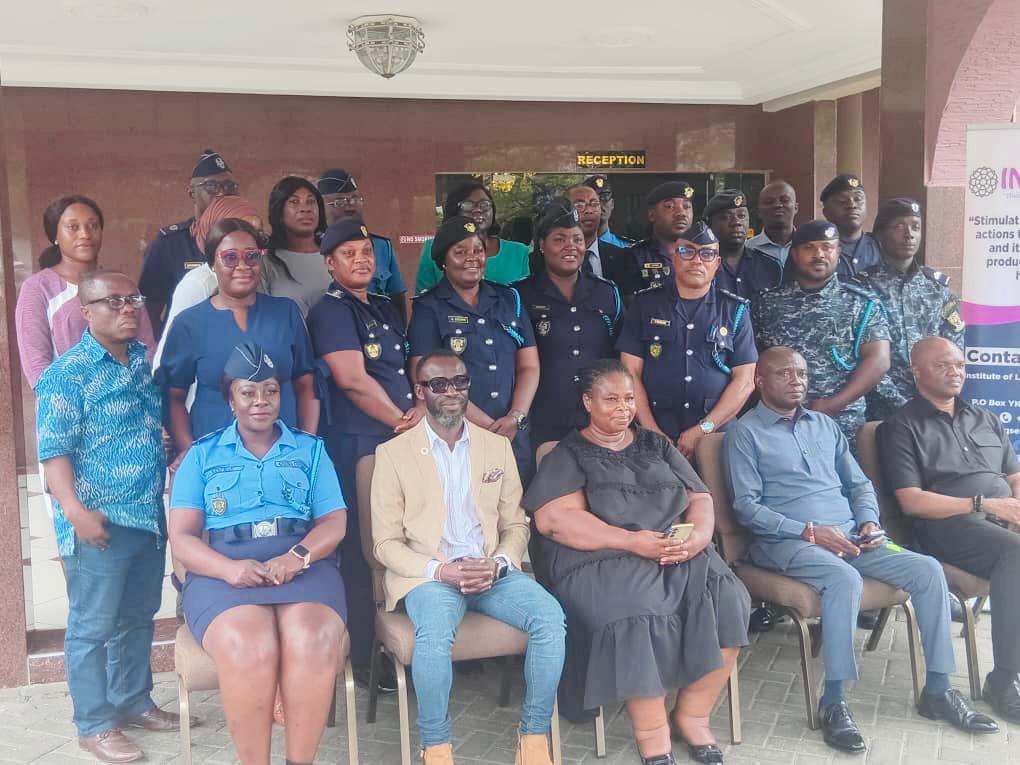
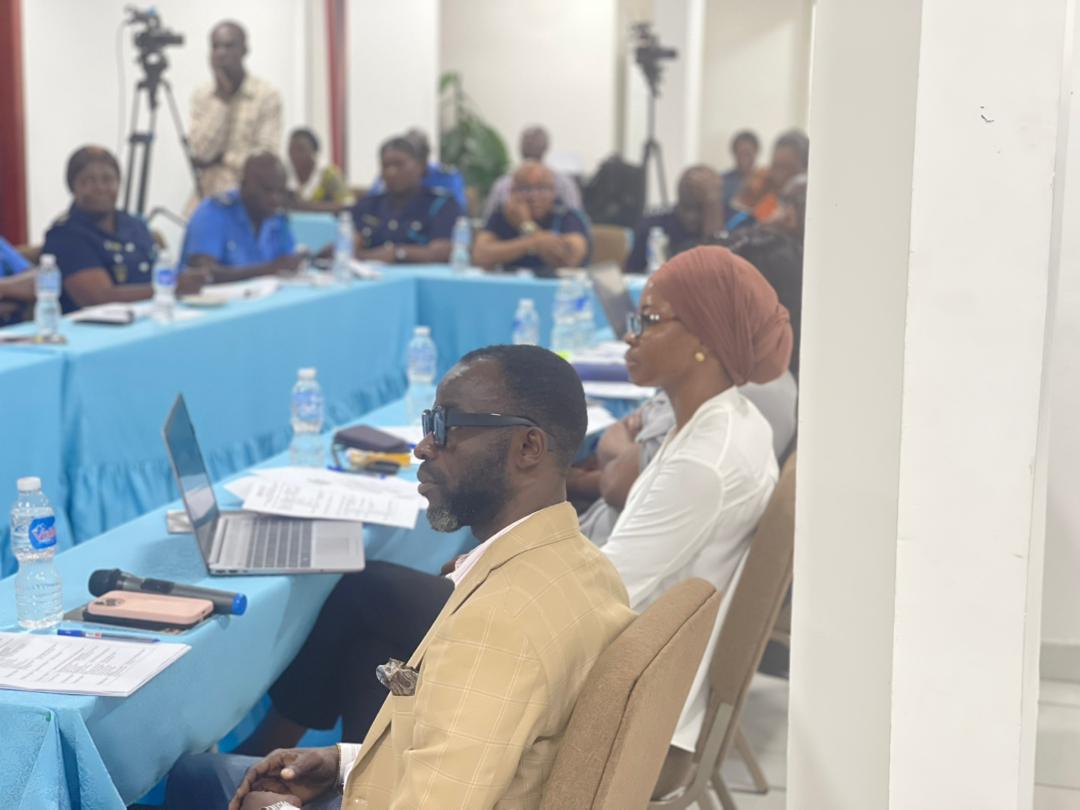
The Institute of Leadership and Development (INSLA) launched the capacity-building project to strengthen the implementation and enforcement of the Excise Duty (Amendment) Act 1108 of 2023, the law that imposes a 20 percent tax on sugar-sweetened beverages (SSBs) on Tuesday, 23, 2025. The event, which was under the theme “Strengthening capacities on the implementation and enforcement of the Exercise Duty Amendment Acts 1108 of 2023,” brought together officials from INSLA, the Ghana Revenue Authority (GRA), the Food and Drugs Authority (FDA), and Ghana Customs officials to map out enforcement, public education, and industry engagement ahead of wider roll-out. The project launch also featured the first capacity building workshop for Customs and Law Enforcement Officials in the southern zone of Ghana. The objective of the event was to officially launch the project and to strengthen the capacity of Customs and Law Enforcement officials to effectively implement and enforce the 20% excise tax on SSBs produced locally, sold and imported into the country.
The project was officially launched by Mr. Kwabena Appau, Head of the Excise Duty Unit of the Ghana Revenue Authority (GRA) and presentations were made by key stakeholders including the Ghana Health Service (GHS), Food and Drugs Authority (FDA), National Health Insurance Authority (NHIA), Coalition of Actors for Public Health Advocacy (CAPHA) and training session on the SSB Tax and Tax Stamps was facilitated by Mr Nelson Bright Atsu of GRA. The launch marked a new phase in Ghana’s effort to reduce harmful sugar consumption through a combination of taxation, regulation, and education.
Mary Yayra Kpogo, INSLA’s Director of Program, in her remarks stated that the project is aimed at strengthening capacities of Customs and Law officials to effectively implement the Sugar Sweetened Beverages (SSBs) Tax and to educate the producers, retailers and importers of these SSBs on the Tax as well as generate public awareness on the negative effects of consuming these products (SSBs) so as to reduce its burden on public health and render it effects to the barest minimum.
Benjamin Anabila, Director of INSLA, stated that the project aims to reinforce compliance while protecting public health. He described the partnership with GRA and the FDA as a practical response to mounting evidence linking sugary drinks to obesity, diabetes, and other non-communicable diseases.
“Enforcing this tax is one way of saving lives and resources at the same time. We cannot continue to allow an influx of sugar-laden products that endanger the health of our citizens while draining the public purse through increased healthcare costs. Enforcing this tax is one way of saving lives and resources at the same time,” he said. Mr. Anabila explained that reducing sugar consumption would save the nation billions of cedis in healthcare expenditure over the coming years, and called on stakeholders, especially the beverage industry, to comply fully with the law. Benjamin Anabila urged that the taxes collected from SSBs should be channelled to support the prevention and treatment of NCDs, for example, diabetes and kidney disease, arguing that earmarked funding would make the policy’s health benefits more tangible.
Kwabena Apau Awua Anto, Head of the Excise Unit at the Ghana Revenue Authority, told the media that GRA’s approach will combine public sensitisation with tight market controls. He said the Authority has been working with INSLA, the Ministry of Finance, and Parliament to secure the legislative changes that led to Act 1108, and will now focus on practical enforcement: registering manufacturers, ensuring excise stamps are applied, sealing loopholes at ports of entry, and stamping products so consumers can verify tax compliance. “This tax is not just about revenue; it is aimed at reducing consumption of harmful products,” he said.
Anto explained the mechanics the GRA will use to deter evasion: customs and market checks for the excise stamp, a 30-day window for traders to justify unstamped stock to the Commissioner-General, and strict penalties, including seizure and fines (he cited penalties of up to 300% where applicable) and possible prosecution for wilful non-compliance.
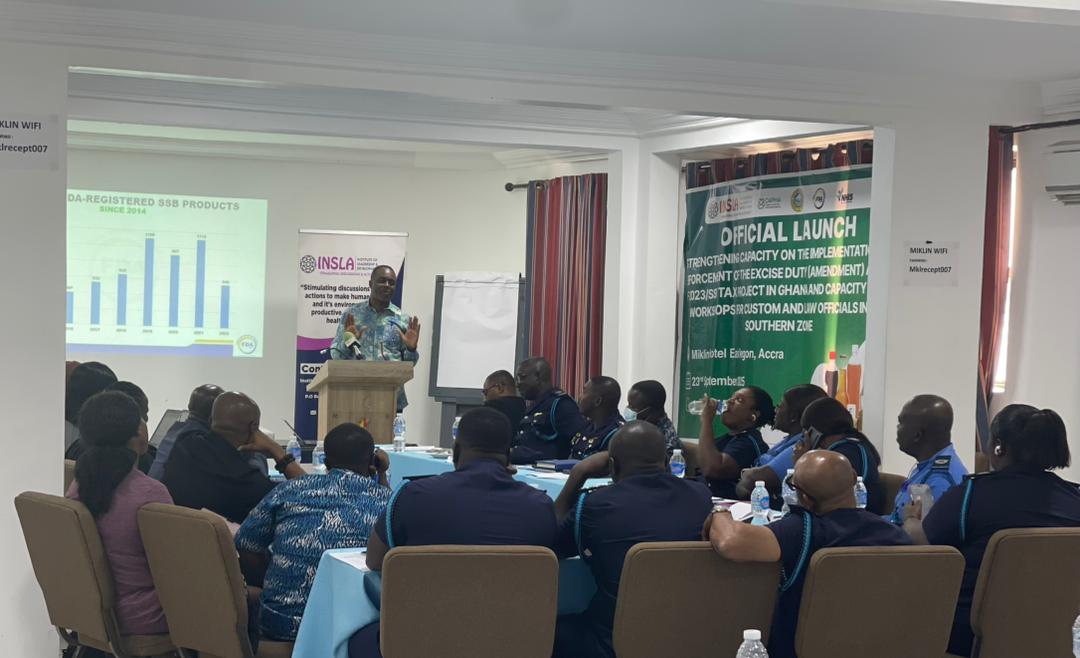
The FDA’s presentation, delivered by Dr. Cheetham Mingle, Head of Research and Nutrition, framed enforcement in health terms. Drawing from hospital data and field observations, Dr. Mingle warned that rising SSB consumption, particularly among children and adolescents, is accelerating early-onset diabetes and other diet-related conditions.
“Protecting the health of future generations requires both regulation and education,” he said, urging parents, schools, and retailers to play their part. The FDA highlighted complementary measures it is pursuing, such as clearer nutritional labelling, restrictions on certain marketing practices around schools, and prohibitions on celebrity endorsements that target young people.
Mariama A. Rahman from the Ghana Health Service (GHS) Non Communicable Disease Program (NCDP) spoke on the future of sugar sweetened beverages balancing business and public health.
Annabel Yeboah from the Coalition of Actors for Public Health Advocacy (CAPHA) presented the implementing the SSB Tax with Global Best Practices
Alex Moyem Kombat, from the Ghana Revenue Authority presented on the Best Practices on SSB Taxes.
Speakers at the launch underlined that the SSB tax is a public-health policy as much as a fiscal measure. INSLA said it will also conduct public-facing consumer education and market spot-checks to ensure compliance beyond the formal supply chain.
Benjamin Anabila urged sustained public engagement and cross-sector collaboration, which includes the industry players and traders, who were reassured that the project’s goal is not to shut down legitimate business but to ensure a level playing field and protect consumers. Still, the warnings were clear: unstamped products found on the market risk seizure, heavy fines or prosecution; and persistent non-compliance will draw vigorous enforcement action.