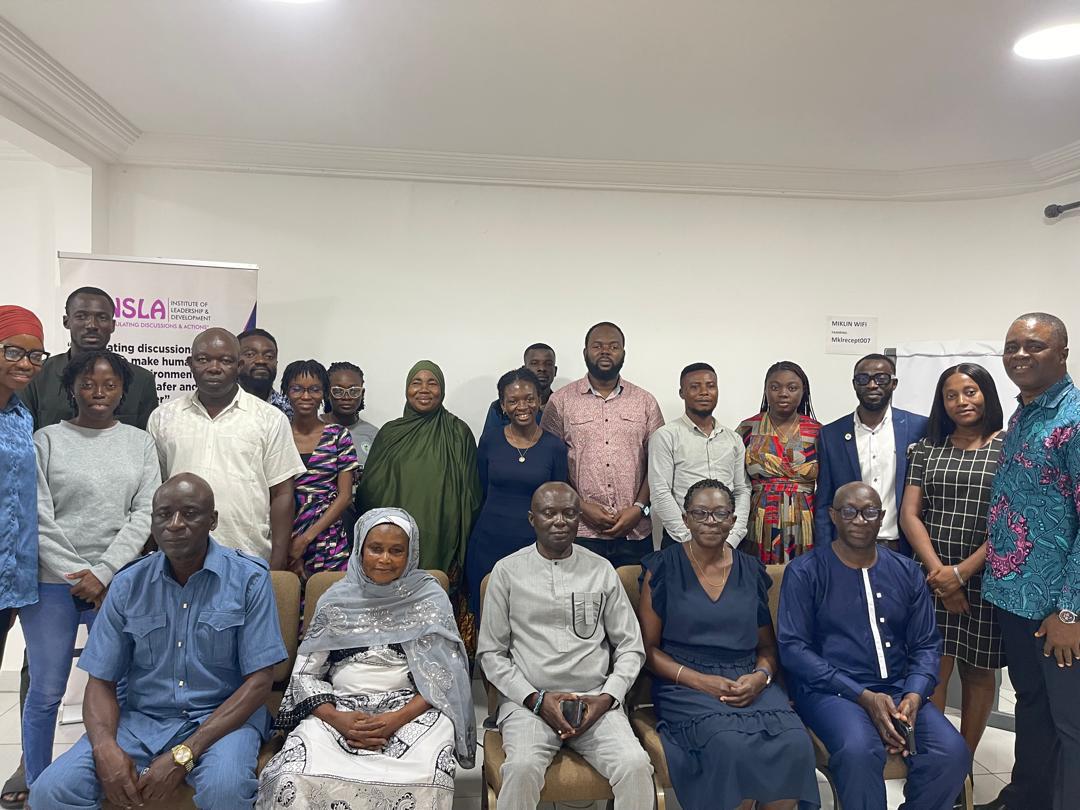
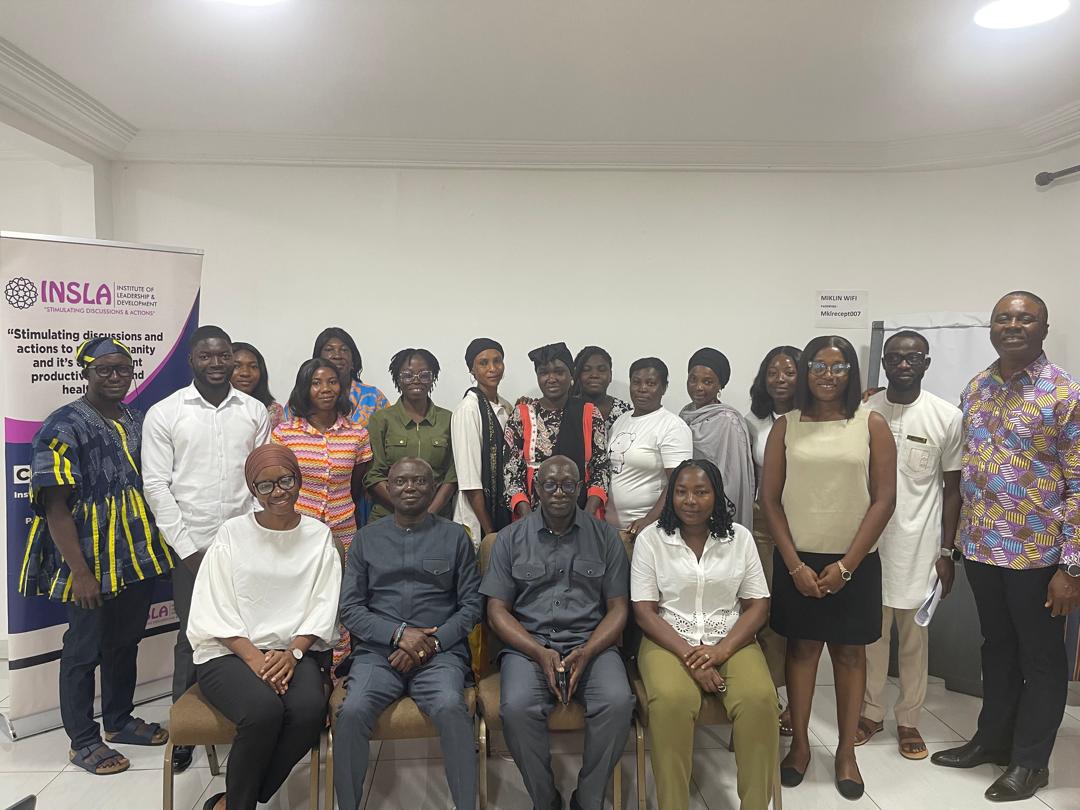
The Institute of Leadership and Development (INSLA) in collaboration with the Ghana Revenue Authority (GRA), Food and Drugs Authority (FDA), National Health Insurance Authority (NHIA) and Coalition of Actors in Public Health Advocacy (CAPHA) successfully held a capacity-building sessions for producers, importers, wholesalers and retailers of Sugar-Sweetened Beverages (SSBs). This is the second workshop for the Strengthening Capacity on the Implementation and Enforcement of the Excise Duty (Amendment) Act 1108 of 2023/SSB Tax in Ghana Project which seeks to strengthen the implementation and enforcement of the 20% excise tax on SSBs imported or produced locally.
The workshops brought together producers, importers, and retailers of sugar-sweetened beverages from the Southern zone specifically Volta Region, Central Region, Western Region and Greater Accra Region to build their understanding of the ACT, encourage compliance, and promote collaboration toward effective enforcement of the new tax policy.
Facilitators from GRA, FDA, NHIA and CAPHA emphasized the health and fiscal importance of the tax, linking it to Ghana’s broader efforts to reduce non-communicable diseases (NCDs) associated with excessive sugar consumption. Their presentations also highlighted the need for inter-agency collaboration, efficient data sharing, and public awareness to ensure there is high rate of compliance. This workshop provided a platform for industry players to engage directly with regulatory authorities on the implementation of the tax, compliance requirements, and enforcement measures.
Participants were educated on the health implications of SSB consumption, the rationale behind the 20% excise tax, and how compliance supports both public health and national revenue goals. The discussions also addressed misconceptions that the tax was solely punitive, clarifying that it is part of a larger strategy to encourage healthier consumption patterns and reduce the burden of NCD in the country
The workshop fostered open dialogue between regulators and industry representatives, helping to build trust and understanding. Producers and retailers shared concerns and sought clarifications on implementation procedures, while GRA and FDA officials provided guidance on documentation, registration, and monitoring processes.
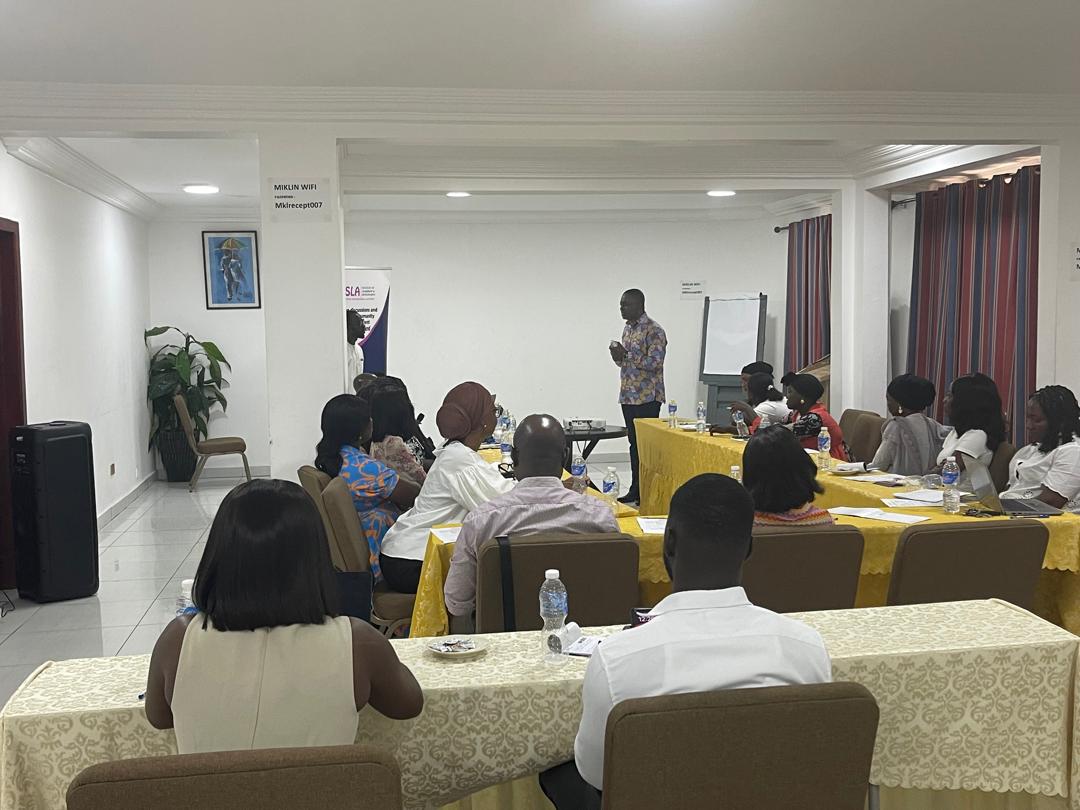
Speaking at the sessions, Mr. Benjamin Anabila, Director of INSLA, reiterated that the SSB Tax Project aligns with Ghana’s commitment to the WHO Global Action Plan on Noncommunicable Diseases. He emphasized that fiscal policies such as the SSB tax are globally recognized as effective tools for reducing unhealthy consumption and improving population health.
“These engagements are crucial for ensuring that all stakeholders, from regulators to industry players, understand their roles in the implementation process. The SSB tax is not just a revenue measure; it’s a public health intervention designed to save lives,” he noted.
Following the success of the workshops, INSLA and its partners will continue to roll out regional training sessions and public sensitization campaigns across the country. The next phase will include monitoring and evaluation activities to assess compliance levels and the impact of ongoing awareness efforts.
Through these collaborative efforts, INSLA remains committed to supporting government agencies and stakeholders in ensuring the effective implementation of the SSB Tax and advancing Ghana’s health and development agenda.